Trust is a defining factor in every retail interaction, but is increasingly fragile.
Consumers want greater reassurance that their personal and financial information is safe when they check out. In Latin America, 83% of consumers say that security features are the most influential factor when choosing a payment method. This shows that trust in the payment experience shapes consumer confidence.
In such an environment, a single poor payment experience can undermine consumer trust. When a checkout feels unsafe, consumers are more likely to abandon their purchase and question the brand’s reliability. Yet, checkout is also the moment when trust can be earned.
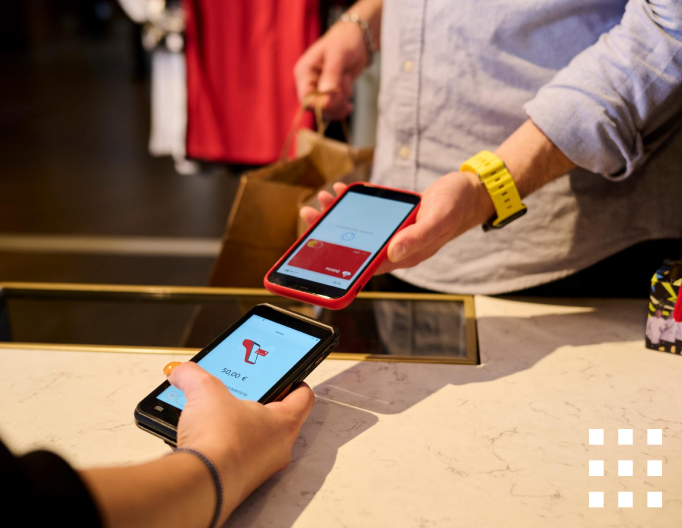
Visible safeguards, such as third-party assurance badges and biometric authentication, can turn a transaction into a trust signal. Biometric methods, for example, use fingerprint or facial recognition to verify a customer’s identity while keeping sensitive data within their own device. The result is a process that feels seamless but remains highly secure.
And visibility pays off. A study of 130 online sellers in Europe and Latin America found that 66% saw higher sales after adopting third-party seals, such as trust badges or certification marks from recognised organisations that verify site security.
Behind the scenes, retailers can strengthen security further through AI-driven fraud protection – a focus of discussion at NRF 2025. These systems identify and prevent fraudulent transactions in real-time using anomaly recognition and behavioural biometrics to identify suspicious patterns. This means retailers can prevent fraud without adding friction for genuine customers.
When trust and security are visible at the checkout, and reinforced invisibly through advanced technologies, retailers strengthen brand reputation and customer loyalty. And loyalty, once secured, can be further reinforced through an exceptional payment experience.